Beating Procrastination: Psychology Backed Tactics for Students
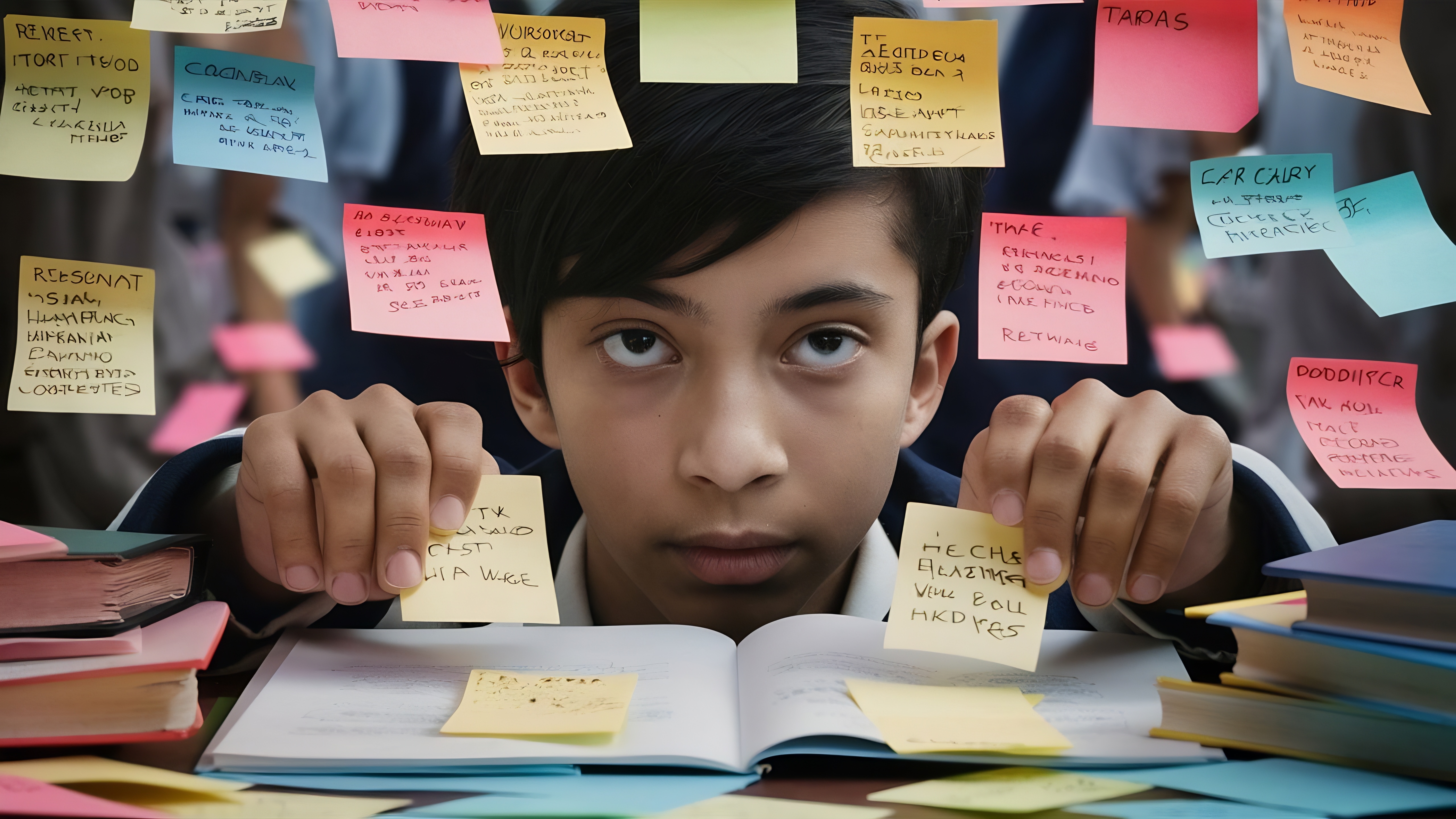
Introduction
Every student has said it at least once:
“I'll start tomorrow.” But tomorrow turns into next week, and suddenly exams are around the corner.
Procrastination isn't laziness it's a psychological pattern. The good news? Science gives us clear,
practical ways to break it. At GravIITy Academy Nashik, we see this struggle all the time, especially
among students preparing for competitive exams, board exams, and entrance tests. When you make the right
changes in your thinking and make small, behavior-shifting changes, it will ALL change for good.
Let me teach you about ways to stop procrastinating and begin accomplishing!
One of the most powerful psychology-backed anti-procrastination techniques is simply telling yourself: “I will study for just 5 minutes.”
Your brain resists starting, not continuing. Once you begin, momentum takes over. This is called activation energy reduction in behavioral psychology. Starting small removes the fear of a big task.
High-impact tip for students:
If you're preparing for JEE, NEET, or board exams, open just one question from your physics or math chapter. Often, those 5 minutes turn into 40.
“Complete syllabus” sounds scary. “Solve 10 algebra questions” feels doable.
Your brain avoids tasks that seem overwhelming because they trigger stress. Psychologists call this task aversion. Breaking work into small, specific tasks reduces mental resistance.
Instead of:
Study Chemistry
Try:
Revise periodic table trends for 20 minutes
Students who follow structured study planning methods perform better because the brain loves clarity.
Unplanned study leads to distraction. Time blocking, assigning fixed slots to subjects, increases focus and reduces decision fatigue.
Here is a Sample Study Block to help you schedule your study sessions:
By doing this, you will be increasing your number of productive study hours and also decreasing any last-minute pressure of cramming.
At GravIITy Academy Nashik, we follow systematic schedules to provide a structure for the students so they can maintain consistency without relying on "how they feel".
Procrastination arises from conflict between your long-term desires and the temporary high you get from doing something that you like (examples include instant messaging, gaming, browsing the web).
Your brain prefers immediate rewards. So make distractions harder to access.
Smart student strategy:
This reduces the dopamine distraction loop, a major cause of low concentration during study sessions.
Students who label themselves in a negative way may say:
By creating this psychological barrier, which is referred to as learned helplessness, you will be unable to escape from being stuck.
Change these words to reflect improvement. For example, say:
When you constantly repeat positive statements about yourself, the resulting increase in confidence will provide more opportunity for you to succeed academically and reduce avoidance behaviors as well.
Habits beat motivation every time.
Psychology shows habits follow this pattern:
Cue → Routine → Reward
Example:
Once repeated every single day, studying will become automatic instead of forced upon you.
Students are more consistent when someone tracks progress, such as teachers, parents, or study groups.
Why? It uses social accountability psychology. We naturally try to meet expectations when others are involved.
That's why guided coaching environments like GravIITy Academy Nashik help students avoid procrastination and maintain exam preparation consistency.
Procrastination increases when we wait for the “perfect time.” Success results from daily action, even when it's flawed.
You don't need to conduct 6-hour marathon studying. Rather you need;
Start small now and you'll thank your future self when you see your grades. Remember that discipline is not being mean; but it is being disciplined. Discipline creates consistent behaviours that develops from average students to top students.
Start now. Even 5 minutes counts.