Introduction
Today's academic world is more competitive
than ever, especially for those students getting ready for the JEE or NEET or other higher-level board exams,
nd therefore the way students approach learning has changed significantly in recent years. In order to
construct a solid understanding of PCM (Physics, Chemistry, and Mathematics) or Biology, subjects are
increasingly requiring students to think logically and analytically, requiring them to retain information
for much longer periods of time than was previously required.
Concept mapping is not just a study tool; it is a thinking framework that helps students understand how concepts connect, why formulas work, and how biological processes interact. When used correctly, it can dramatically improve learning efficiency, exam performance, and confidence.
What Is Concept Mapping?
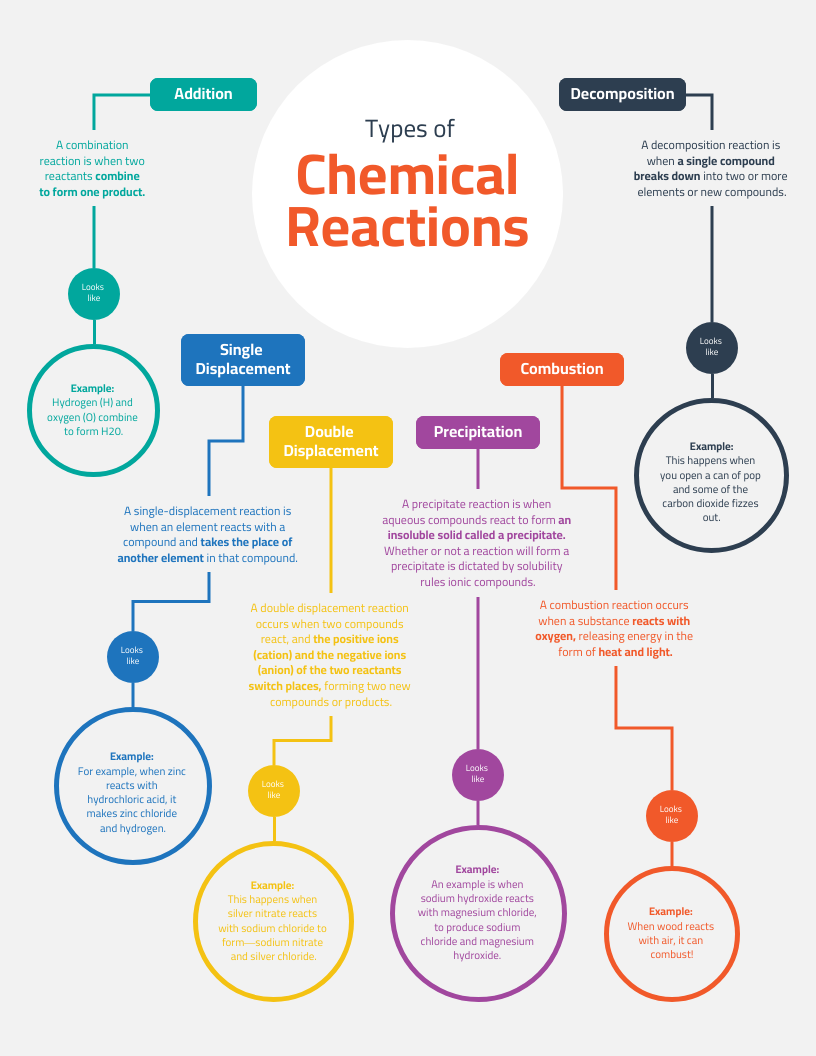
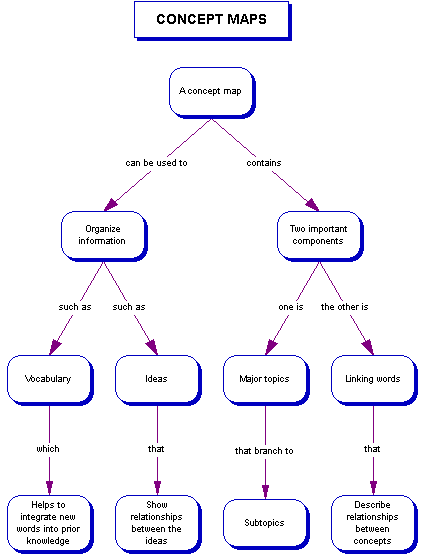
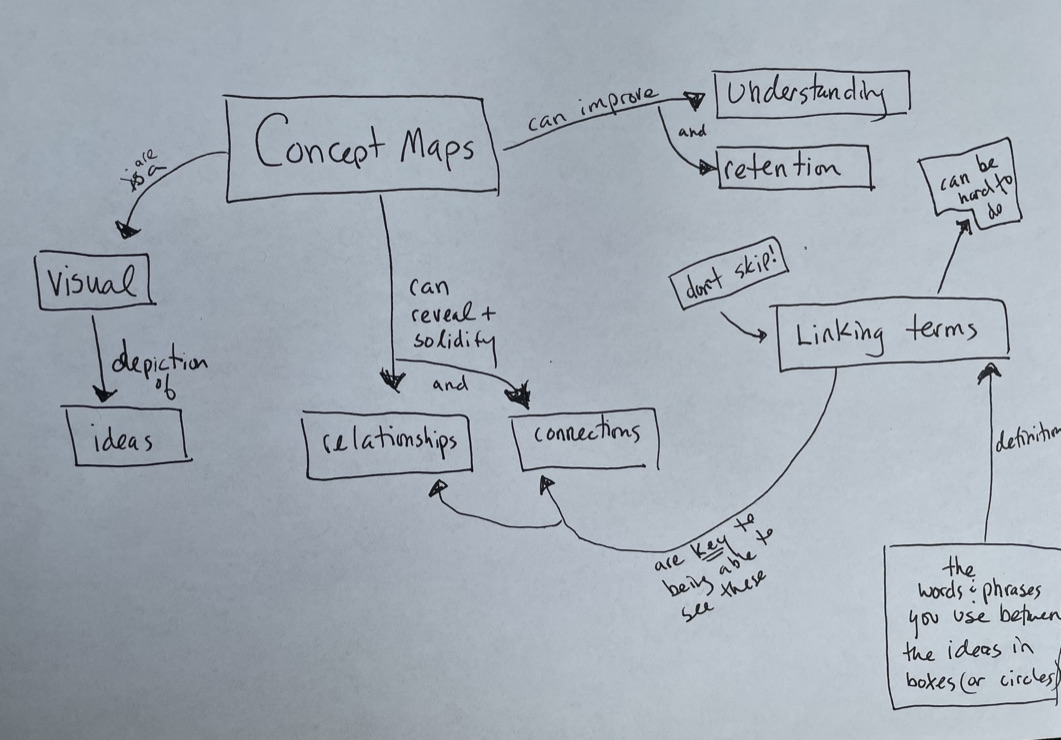
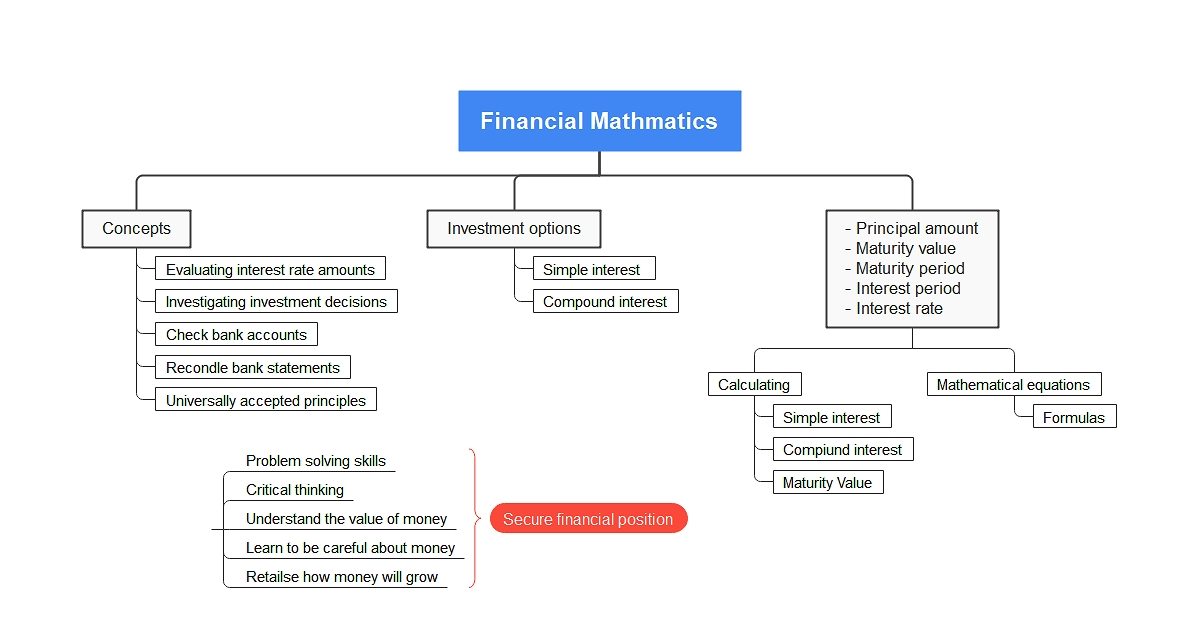
Concept mapping is one of several methods applicable to this learning approach. Concept mapping relies on a graphic representation of the concept being studied, which consists of interconnected nodes of information (concepts), each of which is linked by some form of description of the relationship between the two concepts. Rather than simply memorizing isolated facts, concept mapping allows students the ability to identify relationships between concepts that ultimately form a structured system of stored information for learning.
Given that the areas of PCM and Biology are highly integrated, concept mapping provides students with the opportunity to: have an overall view of the subject matter recognize cause-and-effect relationships between concepts establish connections between theoretical concepts and practical application significantly speed up their ability to recall information during examinations
Why Concept Mapping is Useful for PCM and Biology Students
1. Improved Conceptual Understanding
High-scoring students don't memorize they understand. Concept mapping forces the brain to ask:
- How is this concept related to the previous one?
- Why does this formula apply here?
- What happens if one variable changes?
This is particularly true for: Physics conceptual learning methods Organic chemistry reaction mechanisms Genetics and human physiology
This is especially effective for:
- Physics conceptual learning techniques
- Organic chemistry reaction mechanisms
- Human physiology and genetics
2. Improves Long-Term Memory Retention
Enhanced Long-Term Memory Retention Research from Cognitive Science indicates that when people use one of the many visual or relational types of memory (e.g., spatial or sequential), they also activate several different pathways in their brains to help with retention of information. For example, the retention of complex chapters such as: Cell Biology Thermodynamics Electromagnetism Chemical Bonding
3. Ideal for Competitive Exam Preparation
Concept mapping is a powerful study tool that can aid students preparing for competitive exams like JEE, NEET, etc. Through the use of concept maps, students can:
- Quickly review entire chapters
- Recognize areas of weak understanding
- Avoid confusing similar formulas or solutions
How to Use Concept Mapping for PCM Subjects
1. Concept Mapping for Physics
Concept mapping uses a core concept (e.g. Laws of Motion) as a basis to branch out into:
- Definitions
- Equations
- Real-world examples
- Graphs
- Misconceptions
Concept maps are excellent tools for helping students develop effective problem-solving techniques and to improve their numerical accuracy.
2. Concept Mapping for Chemistry (PCM)
For many students, chemistry seems complicated; however, it becomes much easier when reactions and concepts are visually linked together. Concept mapping can be utilised in areas like:
- Reaction pathways
- Periodic trends
- Electrochemistry
- Thermochemistry
When using a concept map, students learn the reasons for chemical reactions, rather than just memorising them.
3. Concept Mapping for Mathematics
In summary, mathematics is based on logic and structure. Through concept maps, students are able to:
- Connect formulas back to their derivations
- Relate algebra, calculus and trigonometry
- Understand when and how to apply specific techniques
Using concept mapping increases students' speed and ability to reason mathematically.
Concept Mapping for Biology
The study of biology encompasses a multitude of systems and sequences. For this reason, concept mapping should be considered one of the best forms of study for students studying for a significant amount of the biology examinations, including:
- Human Physiology
- Genetics & Evolution
- Ecology
- Botanic Anatomy
The concept mapping process allows students to clearly visualize complex processes, such as respiration and photosynthesis (in plants) and to follow their sequences to/from the production of energy required by both plants and animals.
An Effective Concept Map: A Step-by-Step Process
- Determine the Central Theme
Examples include "Cell Structure," "Newton's Laws," etc. - Record Significant Sub-Themes
Identify and note the various terms associated with the central theme before they are visually linked. - List Logical Relationships
Utilise arrows linking phrases indicating causes, results, and dependencies when creating the map. - Use Different Colours and Symbols
Colour and symbols enhance visual engagement, and help to improve memory. - Revise Your Concept Map Frequently
Concept maps can be revised as your understand becomes deeper and more comprehensive.
Digital Concept Mapping Tools versus Handmade Concept Maps
Both digital and printable concept maps are great ways to create a digital mapping system. Handmade concept maps are a great way to learn, especially with regard to manual (muscle) movement, and digital concept mapping tools provide additional help with reviewing and sharing concepts with other students. Therefore, the students who use them should pick whichever method of mapping works best for them and their individual study practices.
How Concept Mapping Supports Graviity Academy's Focus on Smart Learning
At our Academy, we focus on teaching thing by concept, rather than trying to teach it by memory. Concept Mapping is an excellent way of doing just that:
- Concept Mapping helps develop analytical thinking skills.
- Concept Mapping enhances student problem solving abilities.
- Concept Mapping prepares students to succeed on application based test questions.
- Concept Mapping builds the foundation for excellent academic standing.
Taking this approach to education helps ensure our students pass examinations, and will not only excel, but become successful in life.
Final Remarks
Concept Mapping is not a simple way out of hard work, rather, it is a smart learning strategy that will help to redefine how students study PCM, and Biology. Concept Mapping allows students to organise their understanding of complex subjects into visual and orderly manner that gives them clarity, confidence and control of the subject matter at hand.