Introduction
Preparing
Study for your exams is as much a mental marathon as it is an intellectual challenge. Extended study sessions,
heightened stress, and poor sleeping patterns may sap energy and affect concentration. What you eat while you
study is key in aiding memory, enhancing concentration, and maintaining energy.
The perfect exam preparation
diet may keep one alert and relaxed and enhance brain activity. Here is an exhaustive guide to the best food
for students while writing exams and some practical advice on planning a balanced meal schedule.
Why Diet Matters While Preparing for Exams
Food is brain fuel. Nutritious meals boost intellectual performance, increase memory span, and regulate mood, all of which are needed at peak study times. In contrast, fasting between meals or using up energy with sweets produces energy dips and poor focus. A healthy study-time diet is all about even energy, mental focus, and emotional stability.
Brain-Boosting Foods That Should Be in an Exam Diet
Your greatest pre-exam food regimen would be ones with omega-3 fatty acids, antioxidants, vitamins, and minerals. These are the finest classifications and a few examples:
1. Whole Grains for Sustainable Energy
Hey, so complex carbs like oats, brown rice, whole wheat bread, and quinoa give you glucose gradually, which helps keep your energy steady. Having oatmeal with some fruit and nuts for breakfast, or munching on a whole-grain sandwich with lean protein, can really help you stay focused while studying.
2. Brain-Friendly Foods with a High Protein Content
It supplies amino acids required for the production of neurotransmitters, improving wakefulness and concentration. Good protein-containing food is lean chicken, eggs, fish, tofu, beans, and Greek yogurt. A scrambled egg is an excellent mid-morning snack, as is a dip of hummus with veg sticks to stay focussed.
3. Omega-3 Fatty Acids for Memory and Concentration
Brain food is what omega-3s are called. They improve memory and thinking. Add salmon, sardines, walnuts, chia seeds, ground flaxseeds, and almonds to the diet. You can have salmon and avocado salad or chia seed pudding as a delicious and healthy food.
4. Vegetables and Fruits Loaded with Antioxidants
Bright-hued vegetables and fruits are beneficial for brain cells and improve mental concentration. Blueberries, oranges, spinach, broccoli, carrots, and tomatoes are extremely beneficial. A fruit smoothie with berries, spinach, and banana supplies antioxidants and vitamins in one cup.
5. Nuts and Seeds as an Instant Brain Booster
Almonds, walnuts, pumpkin seeds, and sunflower seeds are rich in vitamin E, zinc, and healthy fats. An assortment of mixed nuts is one of the simplest healthy grabs you can do on exam days.
6. Dairy and Calcium-Fortified Foods
Low-fat milk, cheese, and yogurt contain calcium and vitamin B and promote nerve functions and stress control. Greek yogurt with honey and fruits is a fast breakfast or after-work snack.
7. Hydration with Water and Herbal Teas
Dehydration will cause headaches and fatigue, so be sure to get enough water daily. Herbal tea, such as peppermint or chamomile tea, helps soothe nerves and improve sleep. Sugary drinks and caffeinated soft drinks are discouraged, as decaf is perceived.
Foods to Avoid or Limit When Giving Exams
An examination prep diet isn't simply about what one is going to eat—it is also about what is not.
- Sugary snacks and desserts: They give an instant energy rush followed by a sharp drop, leaving you tired.
- Too much caffeine: A cup of coffee is beneficial, but overdoing it makes you tense and disrupts your sleep.
- Processed and fried food: Fried crisps, burgers, and instant noodles have low-quality fat and cause feelings of lethargy.
- Energy drinks and energizing drinks: They increase glucose in the blood and affect concentration.
Meal Plan Options on Exam Days
Following is a light, balanced diet that students might maintain over exam periods:
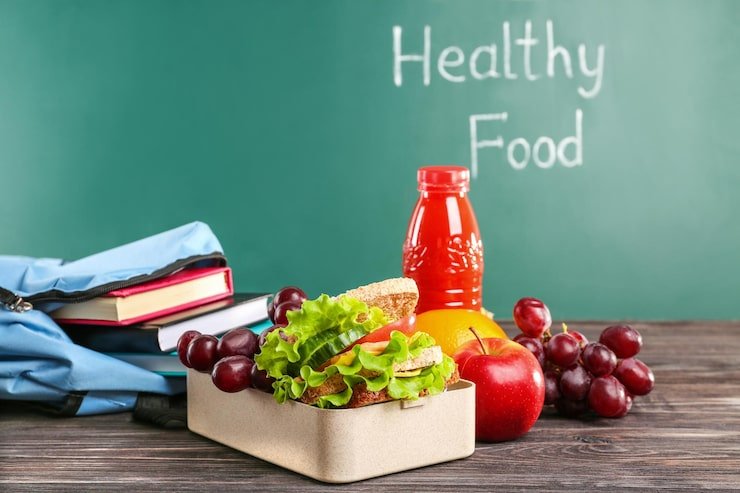
- Breakfast: Scrambled eggs and avocado on whole-wheat toast; or oatmeal with nuts and berries.
- For a mid-morning snack: grab a banana with some almonds, or maybe some Greek yogurt with honey.
- Lunch: Grilled chicken with brown rice and mixed vegetables, or quinoa and spinach bean salad.
- Evening snack: Slices of apple with peanut butter, or banana, spinach, and milk smoothie.
- Dinner: Baked salmon with steamed broccoli and sweet potato, or lentil soup with whole-wheat bread.
- Hydration: At least 8-10 glasses of water daily with occasional herbal tea.
Smart Eating Habits for Exam Success
In addition to choosing the right foods for exams, how you eat matters too:
- Stick to regular meal times to prevent energy dips.
- Avoid heavy late-night meals that disturb sleep.
- Eat responsibly, eat slowly and do not read and scroll while you're eating.
- Plan ahead and prepare snacks so you're less tempted for fast food.
Final Thoughts:
Feed Your Brain and Your Body. While preparing for an exam, students usually favor study schedules and forget
that the brain requires quality fueling in order to perform optimally. Selecting exam-booster brain food in
the form of whole grains, lean protein, omega-3-rich seeds and fish, and bright colored fruits and vegetables
helps improve memory, concentration, and mood tremendously.
Just as important is hydration and the sparing
consumption of caffeine, sweets, and processed food.
By thoughtfully planning meals and consuming nutrient-rich
foods, students are able to transform their diet into an instrument of achievement.
A balanced study diet is
not merely food for the body; it is an investment against mental fogginess, sluggishness, and general health;
it keeps students bright and spirited throughout examination time.